In the last few years, online exams have shifted from “backup option” to primary assessment method for many organizations. Universities, banks, corporates, certification bodies, and training institutes are all moving high-stakes exams online.
But one big question remains:
How do you make sure online exams are fair, secure, and credible—without making the experience painful for candidates?
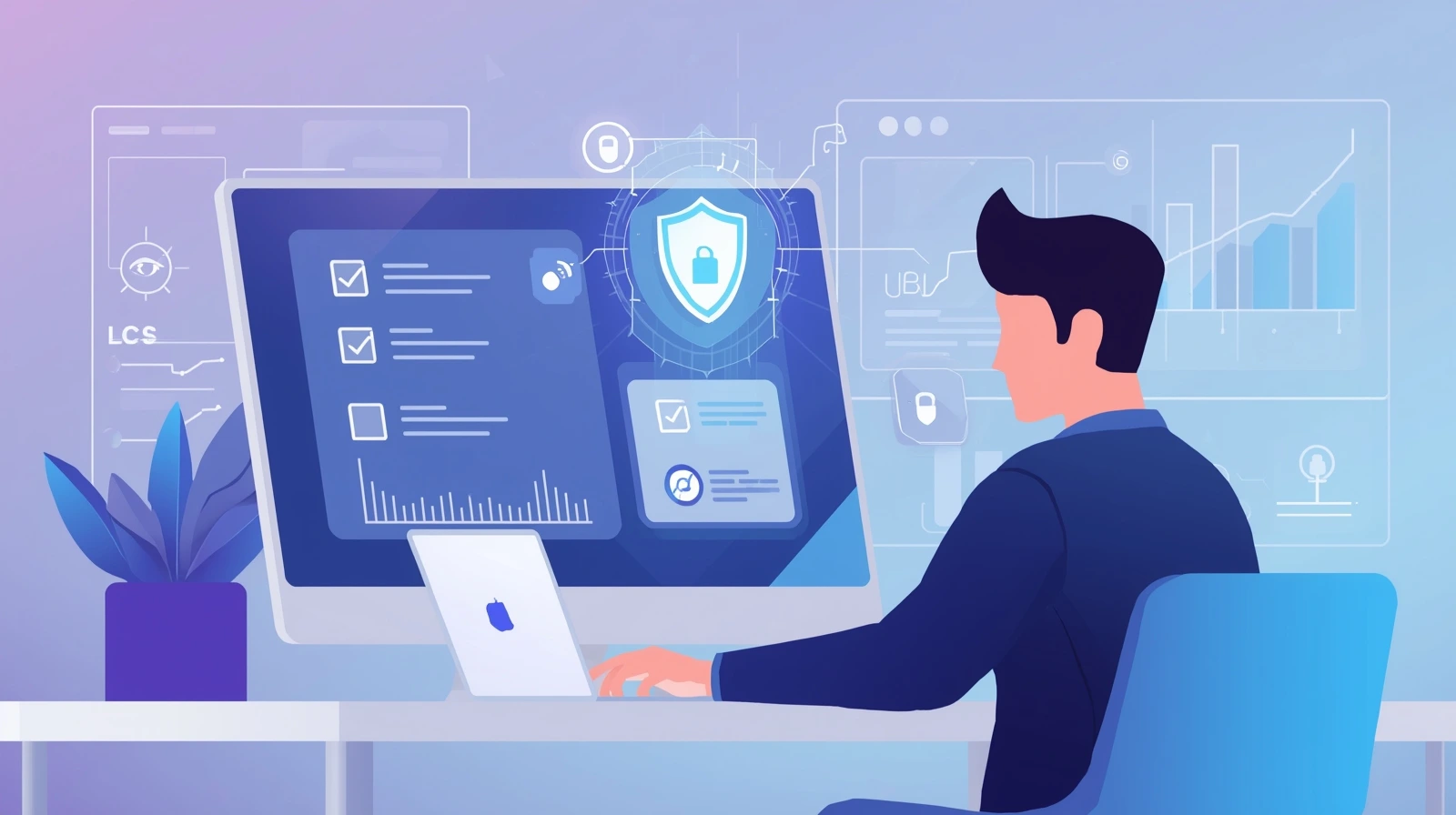
This is where AI-powered remote proctoring is changing the game. The future of online exams is not just about putting question papers on a screen. It’s about building a smart, monitored, and data-driven exam ecosystem that everyone can trust.
In this article, we’ll explore where AI proctored exams are heading, what’s changing, and how organizations can prepare.
1. From Webcams to Intelligent Monitoring
Traditional online proctoring was simple:
- Turn on webcam
- Record student
- A human invigilator watches live or later
This model doesn’t scale well. It’s expensive, slow, and highly dependent on human attention.
AI proctoring changes that by using machine learning to monitor behavior in real time, such as:
- Multiple faces appearing in the camera frame
- Candidate leaving the frame frequently
- Suspicious head/eye movement patterns
- Use of mobile phones or secondary devices
- Unusual sounds or background activity
Instead of a proctor watching 1–2 candidates, AI can process hundreds or thousands of exam sessions simultaneously, flagging only the risky ones for human review. This hybrid model—AI + human auditor—is becoming the new standard.
2. Key Technologies Powering Next-Gen AI Proctoring
The future of AI proctored exams will be built on a combination of technologies working together behind the scenes:
a) Computer Vision
Computer vision models analyze the live video feed to detect:
- Face presence & identity verification
- Multiple persons in frame
- Eye gaze direction (screen vs. elsewhere)
- Frequent looking down (possible phone/notes)
- Candidate leaving the screen
This makes it easier to differentiate between normal, nervous exam behavior and clear cheating patterns over time.
b) Audio Monitoring & Voice Detection
Background audio can reveal:
- Whispered help from another person
- Reading questions aloud for someone else
- Use of voice assistants or phone support
Future systems will be able to intelligently ignore harmless noise (traffic, fan, keyboard typing) while flagging suspicious speech patterns.
c) Screen & Device Monitoring
To protect the integrity of the test, AI proctoring can:
- Detect multiple displays
- Flag copy–paste and suspicious switching between windows
- Monitor restricted websites or apps during the exam
Combined with secure browser technology, this reduces opportunities for digital cheating.
d) Behavioral Analytics
Instead of just reacting to single events, the new generation of AI will:
- Analyze full session patterns (how often the candidate looks away, switches windows, pauses, etc.)
- Assign a risk score to each exam
- Help exam administrators quickly prioritize which attempts need manual review
This behavioral layer is where AI proctored exams will truly become predictive, not just reactive.
3. Why Organizations Are Adopting AI Proctored Exams
The move to AI proctoring isn’t just about catching cheaters. It’s about aligning assessment with the reality of modern learning.
Key benefits:
- Scale & Reach
Run thousands of exams across cities or countries, without needing physical exam centers. - Cost Efficiency
Reduced need for physical infrastructure, travel, printing, and large invigilator teams. - Flexible Experience for Learners
Candidates can take exams from home or office, in a controlled virtual environment. - Stronger Security & Audit Trails
Every event is logged: suspicious behavior, flagged frames, alerts, timestamps, and more — ideal for audits and appeals. - Consistency in Monitoring
AI doesn’t get tired, distracted, or biased by mood. Rules can be applied consistently across all candidates, and then reviewed by humans where needed.
4. Challenges & Concerns That Must Be AddressedThe future of AI proctoring is promising—but it will fail if we ignore the human, ethical, and legal side.
a) Privacy & Data Protection
Learners are sharing:
- Live video of their personal space
- Audio from their environment
- Device activity and sometimes ID documents
Organizations must be transparent about:
- What data is collected
- Why it’s collected
- Where it’s stored
- How long it’s retained
- Who can see it
Compliance with regulations like GDPR and local data protection laws is non-negotiable. Clear consent, secure storage, and controlled access will become standard expectations.
b) Bias & Fairness
AI models are only as good as the data they are trained on. If not carefully designed, they may:
- Misinterpret certain cultural behaviors as “suspicious”
- Fail with specific skin tones, lighting conditions, or dress styles
- Over-flag candidates with disabilities or neurodivergent behavior
The future of AI proctoring must include:
- Regular bias audits
- Diverse training datasets
- Human override and review options
AI should support fairness, not damage it.
c) Accessibility & Inclusivity
Not all candidates have:
- Perfect internet connectivity
- Quiet home environments
- High-end devices or cameras
Systems will need to offer:
- Offline or low-bandwidth options where possible
- Clear fallback procedures when connectivity fails
- Flexible policies for candidates with disabilities
The goal is secure exams, not unnecessary barriers.
5. How AI Proctoring Will Evolve in the Next 3–5 Years
Looking ahead, we can expect several key shifts in how AI proctored exams work and feel.
1) From “Surveillance” to “Integrity Partner”
Today, many learners feel that proctoring is a kind of surveillance. Future systems will focus more on:
- Pre-exam readiness checks (network, camera, environment)
- Clear transparency about what’s being monitored and why
- Real-time feedback (“Your lighting is too low”, “Face not visible”)
This builds trust and reduces anxiety.
2) Multimodal Monitoring
AI will become better at combining:
- Video
- Audio
- Screen activity
- Typing patterns
- Network signals
to make more accurate and context-aware decisions. Single events will be less important than the overall behavior profile.
3) Deeper Integration with LMS & HR Systems
Instead of being a separate layer, AI proctoring will be tightly integrated into the learning journey:
- Exams linked directly to course completion
- Analytics feeding into skills dashboards for HR and L&D teams
- Unified reports on learning progress + exam integrity
Platforms like LMS Peak can combine content, learning, assessment, and proctoring into a single ecosystem, making it easier for organizations to manage everything from one place.
4) More Explainable AI Decisions
As AI gets more powerful, regulators and institutions will demand explainable decision-making:
- Why was this candidate flagged?
- Which events contributed to the risk score?
- Can a human reviewer override the system with clear reasoning?
Future proctoring dashboards will show timeline-based visualizations, snapshots, and summaries that make sense to admins, auditors, and even candidates during appeal.
6. Implementing AI Proctored Exams: A Practical Roadmap
If your organization is planning to adopt AI proctored exams, here’s a simple step-by-step path.
Step 1: Define the Use Cases
- High-stakes certifications?
- Internal training assessments?
- University semester exams?
Different scenarios may require different strictness levels, recording rules, and policies.
Step 2: Set Clear Policies & Communication
Before you roll out:
- Create a candidate handbook explaining rules and expectations
- Define what counts as “suspicious behavior”
- Explain the appeal process if a candidate is flagged
Good communication builds trust.
Step 3: Pilot With a Smaller Group
Run a pilot:
- Limited number of candidates
- Limited exams
- Collect feedback from candidates & proctors
Use this pilot to tune AI sensitivity, adjust threshold levels, and refine instructions.
Step 4: Integrate With LMS / HR Systems
A smooth experience comes from integrating:
- User login
- Exam schedule
- Proctoring rules
- Reporting
into a single flow. This reduces manual work for admins and confusion for learners.
Step 5: Monitor, Audit, Improve
AI proctoring is not a one-time setup. You should:
- Review flagged events regularly
- Update rules as your exam formats change
- Run periodic fairness and bias checks
- Train your team on how to interpret AI reports
7. The Human Side: Building Trust in AI-Proctored Exams
No matter how advanced the technology becomes, human perception will decide its success.
Organizations must:
- Treat AI as a co-invigilator, not a judge & jury
- Keep humans in the loop for final decisions
- Be open about system limitations and improvements
- Show candidates that the goal is fairness, not punishment
The future belongs to systems that combine:
Strong security + Good experience + Transparent communication
not just “maximum surveillance”.
8. Conclusion: A More Secure, Flexible, and Data-Driven Exam Era
AI proctored online exams are not just a temporary trend. They are becoming a core part of how modern organizations certify skills, measure learning, and protect the value of their credentials.